
Wolfenson Lab
From Cell-ECM interactions
to targeted therapeutics
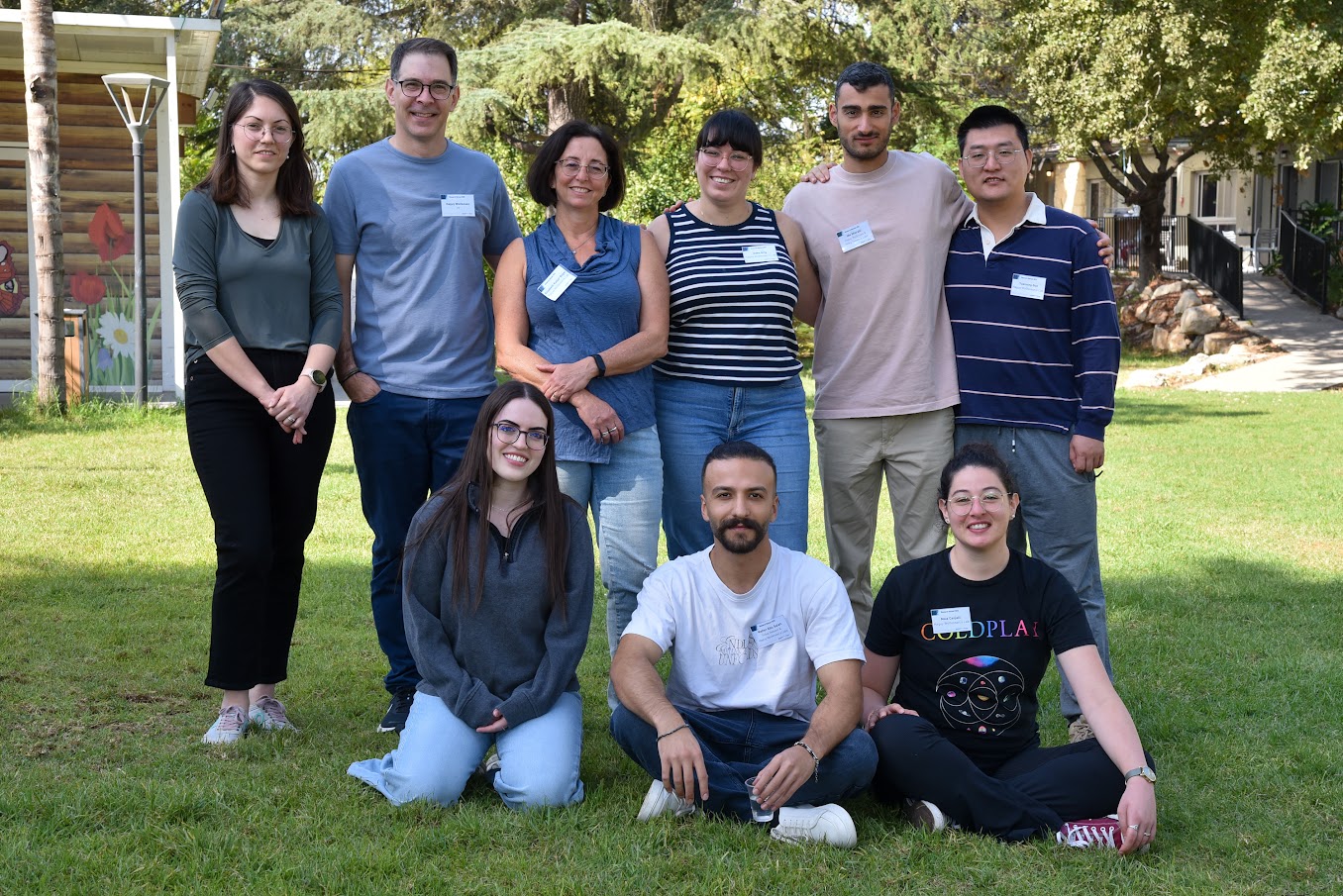
Welcome to the Wolfenson Lab!
We investigate the fundamental principles of how cells sense and respond to their physical environment. Our research is focused on the dynamic interplay between cells and the extracellular matrix, exploring how its mechanical properties shape cellular behavior in health and disease, with particular emphasis on cancer and fibrosis.
We aim to uncover how mechanobiological pathways, particularly the adhesion and cytoskeletal systems, create unique therapeutic opportunities beyond traditional biochemical approaches. Through this work, we strive to advance innovative strategies that target these physical vulnerabilities, paving the way for novel treatments and improved patient outcomes.
Research
Our research explores the fundamental principles of mechanobiology and their implications for disease. We focus on 4 main areas:
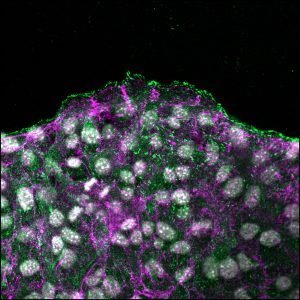
Studying how adhesion systems work together to regulate cell motility in normal and pathological contexts.
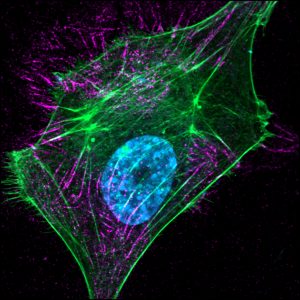
Understanding how ECM remodeling and stiffness drive fibrotic progression and influence cellular behavior.
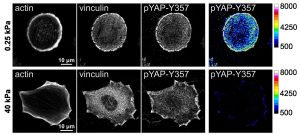
Investigating how mechanical and structural changes in the ECM contribute to cell survival and resistance to programmed cell death.
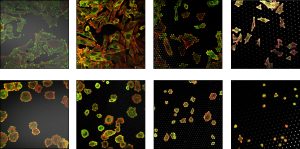
How cells sense mechanical cues from their environment and translate them into biochemical signals that guide fate decisions.

Breakthrough award for the lab!
The lab recently received The Don and Linda Brodie Catalyst Award for studying Identity, Memory, Sensing & Decisions at the Cellular Level. This will be a new and exciting advancement for the lab. More to come in the future…